
Every kilometer, every liter - even on locomotives that pre-date CAN bus.
Per-locomotive fuel monitoring across mainline, shunting, and maintenance-of-way fleets. Works on equipment of any age with no ECU required. Per-route consumption profiles, depot refueling reconciliation, and siding theft alerts.
What you have today
Different drivers, routes, and loads create variance that disappears into expected fuel spend. Most working locomotives are older than CAN bus standards, and remote sidings remain easy siphoning targets overnight.
What we add
A DUT-E sensor in each tank works on equipment of any age. GPS-tagged fuel data builds route profiles automatically, depot refueling is reconciled, and siding drain events trigger SMS alerts within 60 seconds.
A full route, kilometer by kilometer - see exactly where fuel goes.
Per-route fuel profiles from fuel level and GPS coordinates. Compare the same route across drivers, weather, and load to expose outliers immediately.
- Route fuel curve - fuel level plotted across distance traveled, not time.
- Depot refueling - geo- and time-stamped and reconciled against depot tank data.
- Siding drains - drops while stationary outside operating hours trigger instant alerts.
Depot-side only, or per-locomotive.
If you only need reconciliation, start at depot level. If you need route visibility, driver comparison, and siding theft control, instrument each locomotive.
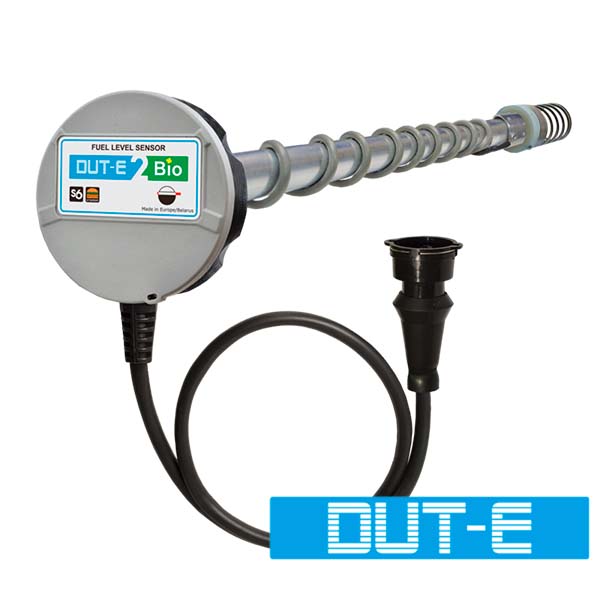
| Accuracy | ±1% |
| Detects | Depot tank level · refueling events with manual locomotive ID |
| Install | 1 day per depot |
| Hardware cost | ~EUR450 per depot |
| Best when | Pilot phase · single depot · reconciliation-only objective |
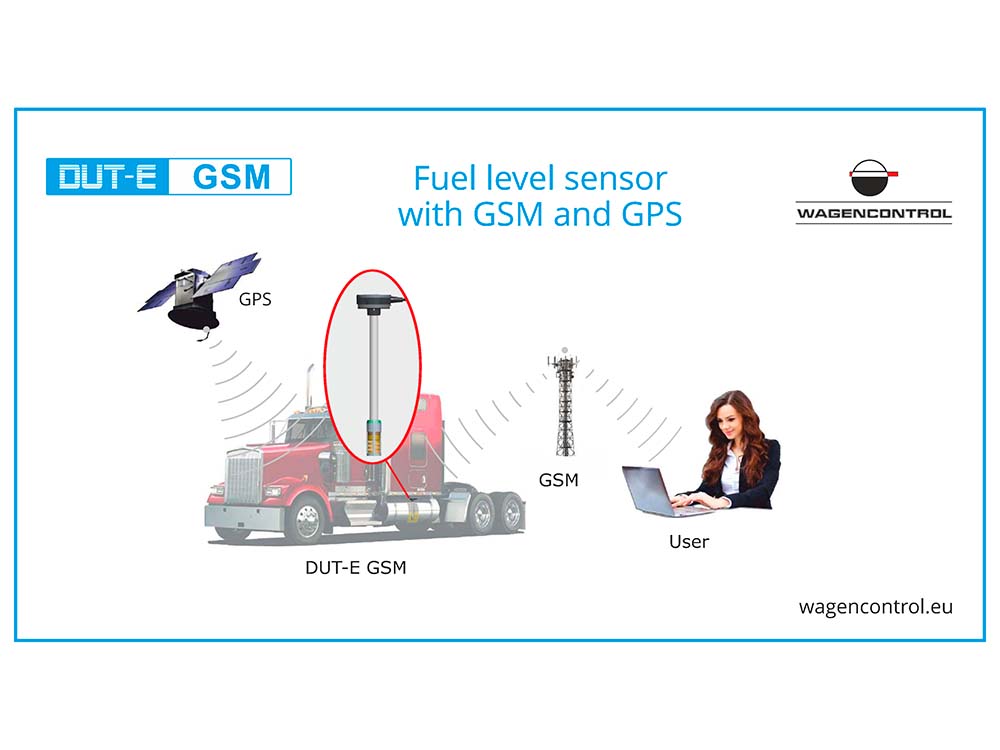
| Accuracy | ±1% |
| Detects | Per-locomotive fuel · route profiles · siding drains · auto-attributed refuels |
| Install | Half-day per locomotive |
| Hardware cost | ~EUR420 per locomotive |
| Best when | Active mainline fleet · multi-driver usage · recurring siding losses |
From pre-CAN locomotives to route-level fuel visibility.
Stage 1 supports any-age rolling stock with DUT-E directly in the tank. Add modern bus reading where available and keep depot-side reconciliation in the same flow.
Typical railroad deployment results.
A 24-locomotive operator used route-level data to compare driver and load patterns, then reduced high-variance behavior across two quarters.
SMS drain alerts on siding locomotives exposed siphoning attempts early, followed by twelve months with no recurring events.
Aging tampers and rail grinders without standard data ports were fully monitored via DUT-E-only installation.
Describe your fleet. Get a working setup in 30 seconds.
Our advisor knows the entire product line - every variant, every protocol, every tank table from 600+ OEMs. Try the recommendation before you talk to an engineer.